Mount Etna in 32 BC: The Eruption Recorded by Cassius Dio
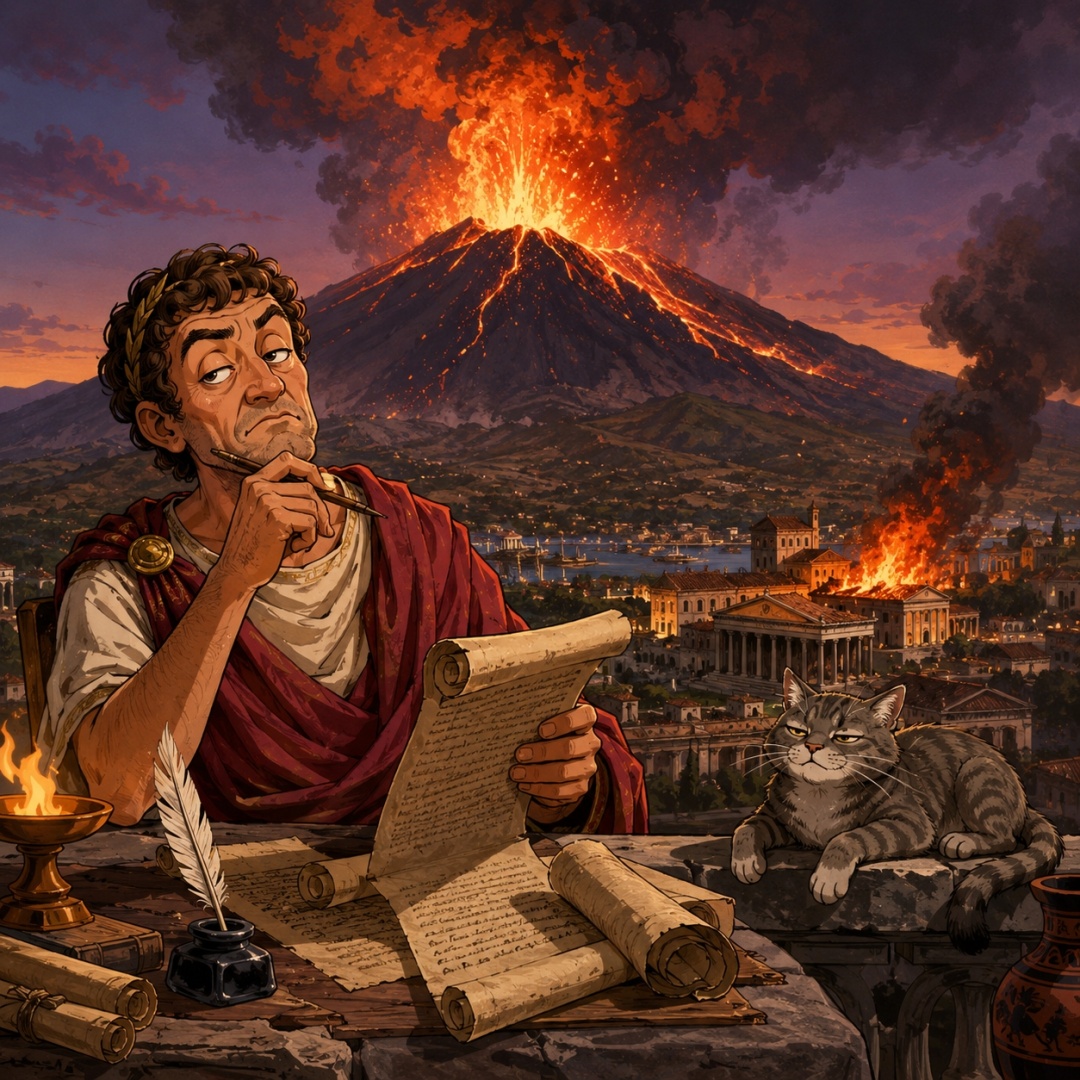
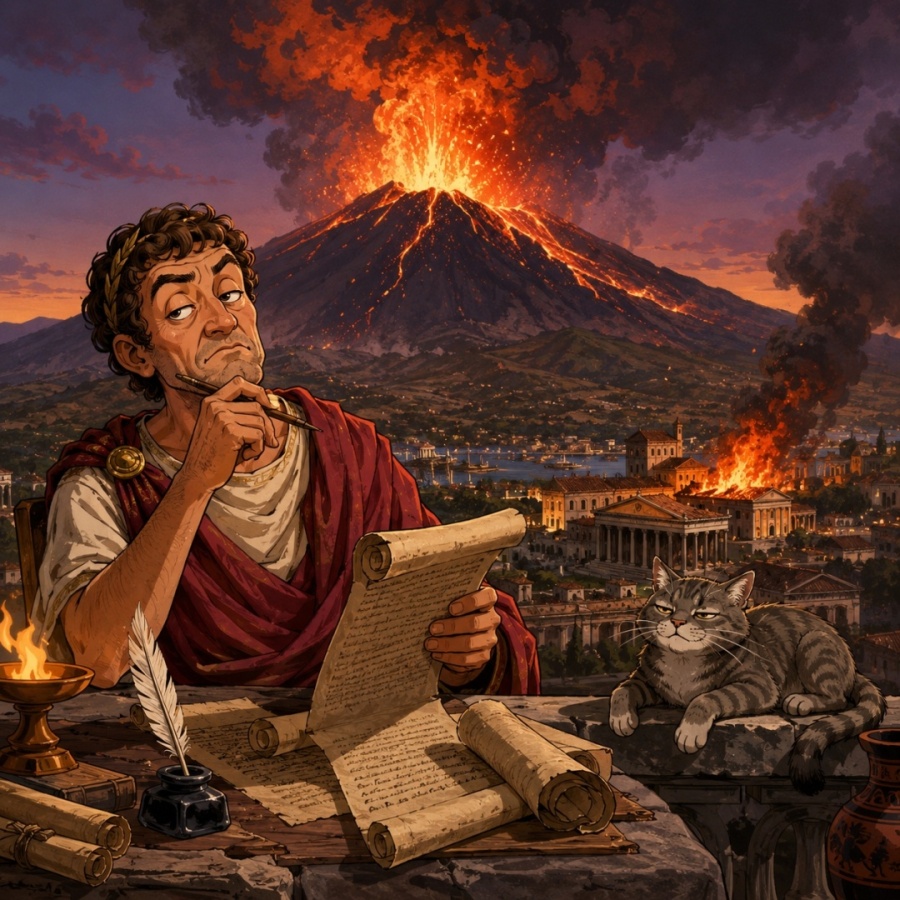
In 32 BC, while Rome was busy sliding toward yet another civil war, Mount Etna decided to add its own dramatic contribution. Ancient historian Cassius Dio records an eruption that damaged fields and settlements, and later tradition linked it with a major fire in Rome. A tidy reminder that in antiquity, even the volcano seemed determined to join the political chaos.

Mount Etna Eruption August 2026: What Happened
Discover Mount Etna’s complex August 2026 eruption, when explosive activity returned to the summit, at least nine vents opened at different altitudes and lava descended through the Valle del Leone into the Valle del Bove. Learn how ash affected Catania Airport, why small pyroclastic flows formed and what scientists observed as the eruption evolved.

The Eruption of 36 BC: When Mount Etna Terrified Roman Soldiers
In 36 BC, Mount Etna erupted with such force that Roman soldiers 30 km away were shaken awake by fire and thunder. This forgotten eruption reveals how powerful and terrifying the volcano has always been, blending history, myth, and raw natural energy into one unforgettable moment.

Mount Etna Eruption, July–August 2026: What Happened
Discover what happened during Mount Etna’s eruption from 30 July to 2 August 2026. Voragine produced Strombolian explosions, lava fountains, a high ash plume and a small pyroclastic flow, while new vents at 2,700 metres fed lava into the Valle del Leone and upper Valle del Bove, far from inhabited areas.