Sicily’s Natural Wonders: A Guide to Stunning Landscapes
Sicily’s Natural Wonders: A Guide to Stunning Landscapes
Sicily, the Island That Changes Scenery Every 20 Minutes
From Lava to Lagoons
Sicily is not one landscape. It is a whole committee of landscapes, and apparently none of them agreed on a dress code.
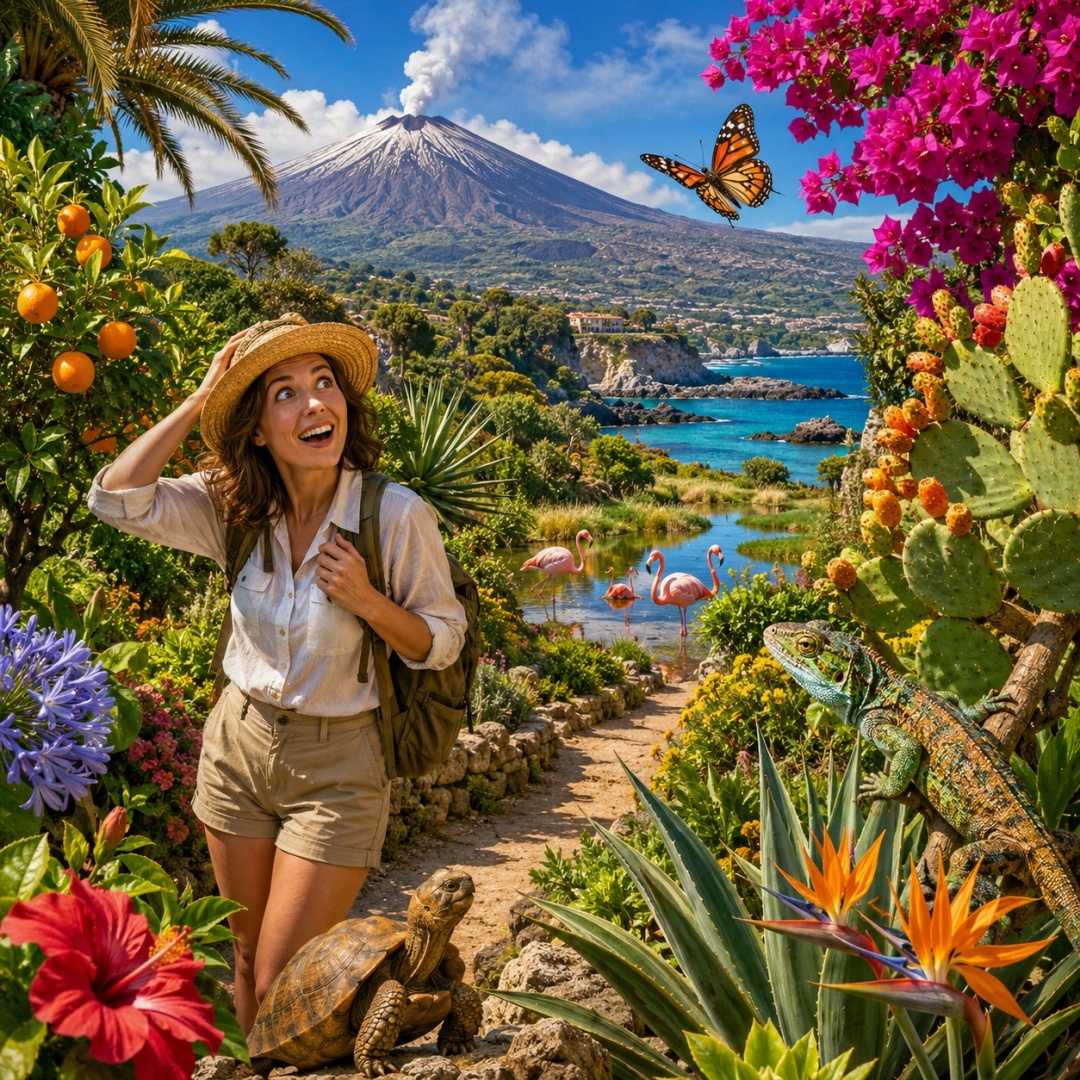
One moment you’re staring at the black lava fields of Mount Etna, the next you’re watching flamingos glide over pink salt pans near Trapani. Then come limestone cliffs, golden wheat fields, turquoise coves, river canyons, volcanic islands, almond groves, and villages built from stone that once had a very dramatic relationship with fire.
This is the real magic of Sicily’s natural wonders: the island changes personality with spectacular confidence. It doesn’t gently transition. It makes an entrance.
Why Sicily Feels Like a Continent in Miniature
Sicily sits in the middle of the Mediterranean, shaped by volcanoes, sea winds, tectonic movements, rivers, ancient forests, and a sun that takes its job extremely seriously.
The result is a natural mosaic. You can spend the morning among lava rocks, have lunch in a vineyard, watch the sunset over salt pans, and still have time to argue about whether the best granita is almond or pistachio. Important matters.
Mount Etna: The Volcanic Soul of Sicily
Lava Fields, Craters, and Black Earth
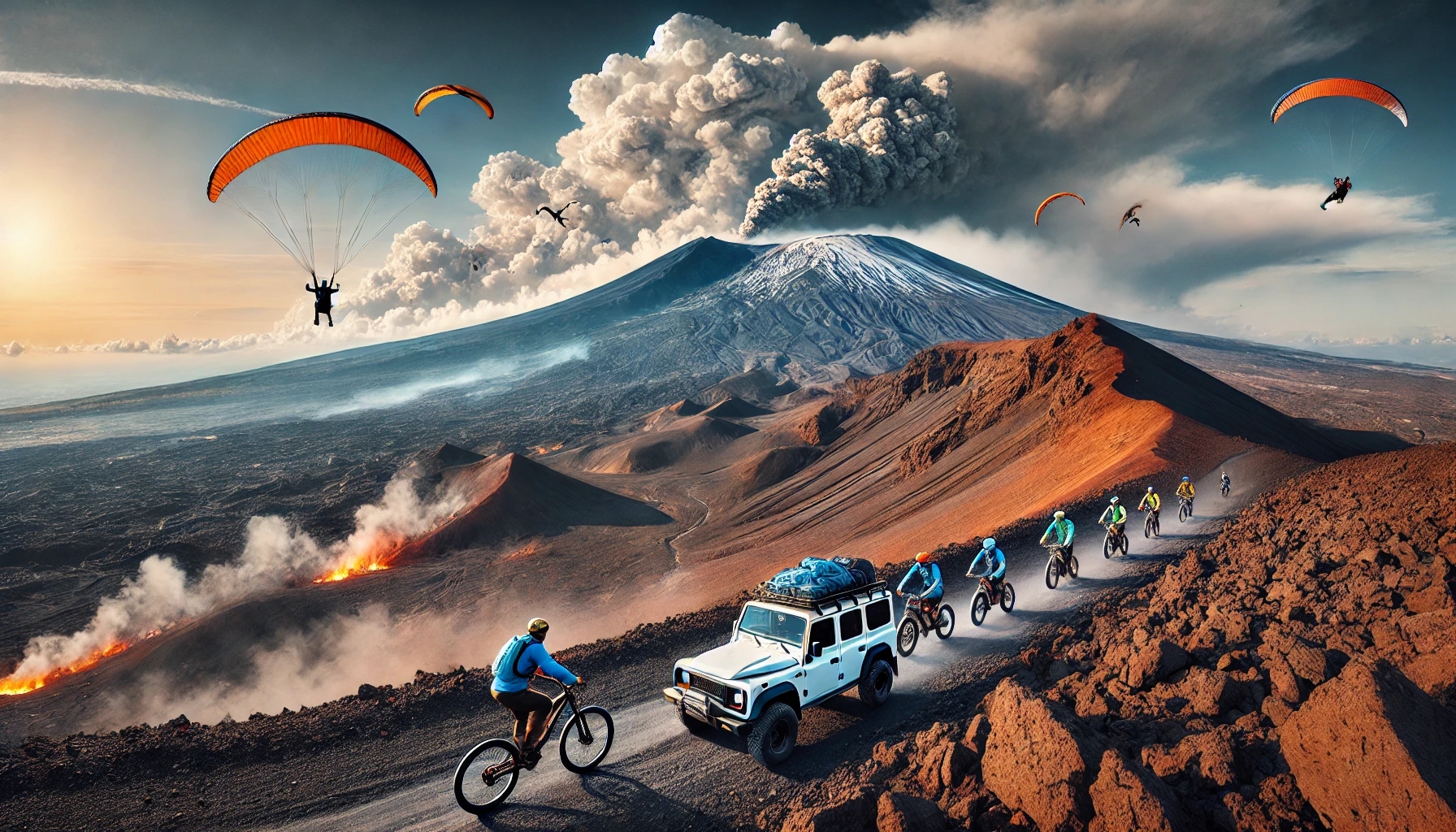
No natural wonder in Sicily has a bigger personality than Mount Etna. It rises above the eastern coast like a smoking monarch, part mountain, part myth, part geological opera singer warming up before the final aria.
Etna’s landscapes are astonishingly varied. Lower slopes are covered with vineyards, orchards, chestnut woods, and old villages made of dark lava stone. Higher up, the scenery becomes wilder: black deserts, extinct craters, ash fields, and panoramic ridges where the Ionian Sea suddenly appears like a blue revelation.
This is not just a place to admire. It is a landscape that explains Sicily itself: fertile and dangerous, generous and unpredictable, beautiful with a small warning label attached.
How Etna Shapes Wine, Villages, and Daily Life
Etna is not simply a background for postcards. It influences food, architecture, agriculture, climate, and even local temperament. The volcanic soil gives character to wines, pistachios, apples, cherries, and vegetables. The old lava flows define roads, fields, and villages. The mountain has opinions, and Sicilians have learned to live with them.
On the Etna slopes, nature is never abstract. It ends up in the glass, on the plate, under your shoes, and occasionally in your hair when the wind decides to carry ash around like confetti.
Discover Mount Etna landscapes
The Alcantara Gorges: Nature’s Stone Architecture
Basalt Walls and Ice-Cold Waters
The Alcantara Gorges look like someone asked nature to design a cathedral, but nature got distracted and made it a canyon instead.
Here, ancient lava met cold river water and cooled rapidly, cracking into tall basalt columns. The result is a dramatic corridor of dark stone, sculpted by the river over thousands of years. The walls rise in geometric patterns so precise they almost seem artificial. They are not. Nature simply enjoys showing off.
A Landscape Born from Fire and River
The beauty of the Alcantara lies in contrast. Fire created the rock. Water carved the passage. Today, visitors walk through chilly river pools, admire polished basalt walls, and wonder why they didn’t bring better water shoes.
It is one of the most accessible and visually striking natural sites near Etna. Perfect for travelers who want geological drama without committing to a full mountain expedition.
Salt, Wind, and Flamingos: The Western Saline
Trapani and Marsala Salt Pans
On Sicily’s western coast, between Trapani and Marsala, the landscape becomes soft, luminous, and strangely hypnotic. The salt pans stretch toward the sea in shallow pools that reflect the sky like broken mirrors.
Windmills stand among the basins, old guardians of an ancient industry. Salt piles glow white under the sun. At sunset, the entire landscape turns pink, gold, lavender, and occasionally so beautiful that conversation becomes unnecessary.
Flamingos, Windmills, and Sunset Mirrors
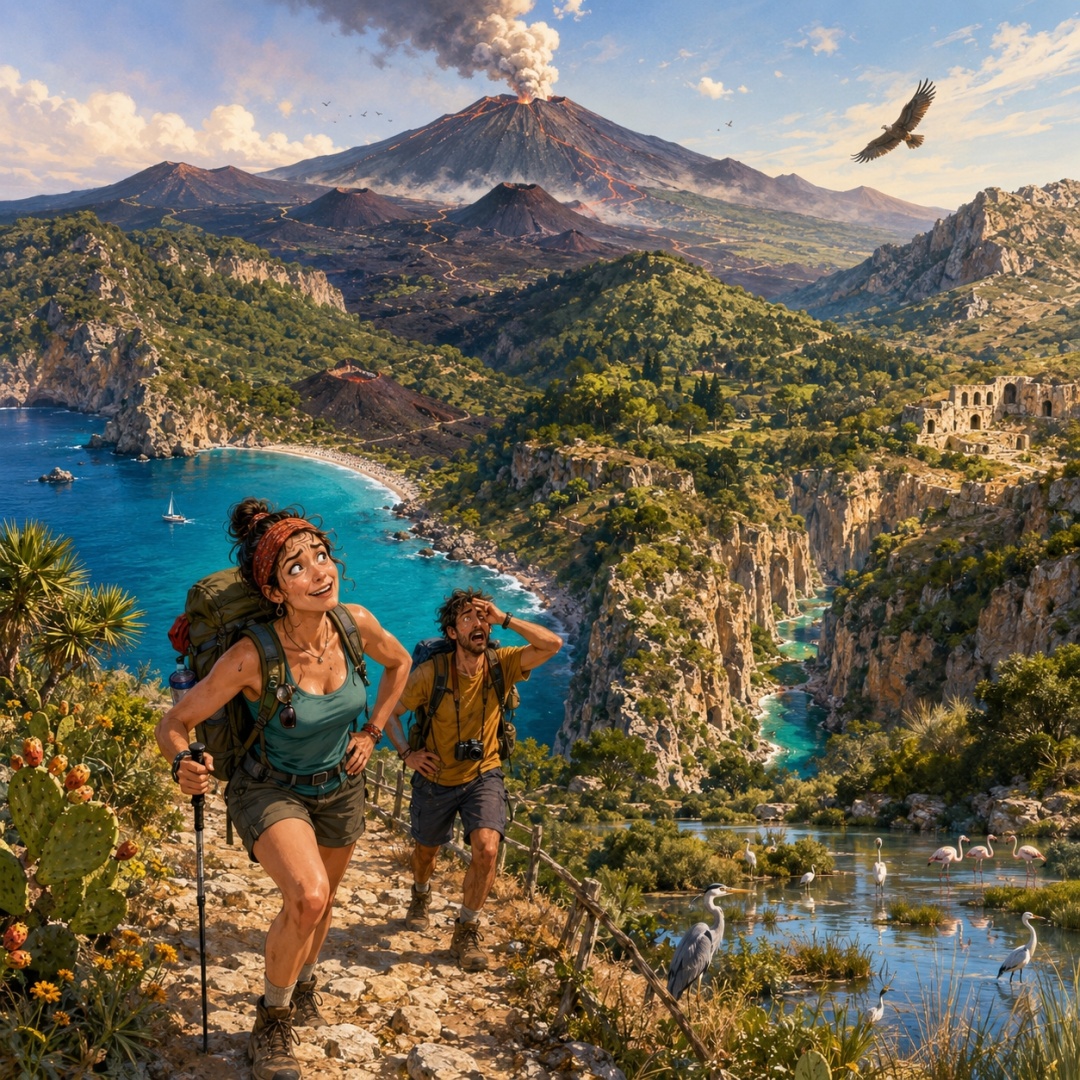
The saline are not just pretty. They are also vital wetlands, home to migratory birds including flamingos, herons, and avocets. The area is ideal for slow walks, photography, birdwatching, and pretending you came only for nature when really you are already thinking about Marsala wine.
This is Sicily at its most delicate: wind, salt, water, birds, light. No volcanic explosions here. Just quiet beauty with excellent posture.
WWF Salt Pans of Trapani and Paceco
Sicily’s Wild Coastlines: Cliffs, Coves, and Sea Caves
Zingaro, Capo Milazzo, and the Art of the Blue View
Sicily’s coastline is not content with being merely beautiful. It insists on being cinematic. The Zingaro Nature Reserve offers rugged cliffs, dwarf palms, hidden coves, and water so blue it seems slightly overqualified.
Capo Milazzo, in the northeast, is another coastal gem: rocky promontories, natural pools, sea views, and sunsets that make you forgive the existence of uphill walking.
These places are not just beaches. They are meetings between land and sea where limestone, wind, and waves have been negotiating for millennia.
Scala dei Turchi and the White Stone Illusion
Near Agrigento, the Scala dei Turchi rises from the coast like a giant white staircase poured from moonlight. Its pale marl cliffs contrast with the Mediterranean below, creating one of Sicily’s most recognizable natural scenes.
It is delicate, fragile, and heavily visited, so admiration must come with respect. Stay on permitted paths, avoid damaging the surface, and remember: beautiful places are not outdoor furniture.
Inland Sicily: Golden Hills and Forgotten Horizons
The Interior Nobody Puts on Postcards Enough
Travelers often rush along the coasts, chasing beaches and famous towns. Meanwhile, inland Sicily waits quietly, looking magnificent and slightly offended.
The interior is a world of rolling hills, wheat fields, olive groves, lonely farmhouses, and roads that curve through landscapes of gold and green. Around Enna, Caltanissetta, and the valleys between central Sicily and the Val di Noto, the island opens into broad, cinematic spaces.
It is not dramatic like Etna or glittering like the sea. It is deeper, slower, older. A Sicily of silence, distance, and horizons.
Why the Countryside Matters
This is the agricultural heart of the island, where seasons still define the rhythm of life. Spring brings wildflowers. Summer turns the hills blonde. Autumn softens the light. Winter adds mist, sheep, and a surprising amount of poetic melancholy.
If you want to understand Sicily beyond monuments, spend time in the countryside. The landscape explains the food, the villages, the patience, and possibly the local habit of discussing lunch before breakfast.
Cavagrande and Pantalica: Canyons, Rivers, and Ancient Stone
Cavagrande del Cassibile: Natural Pools in a Limestone World
Southeastern Sicily hides another spectacular surprise: Cavagrande del Cassibile. This canyon, carved by the Cassibile River, is famous for its limestone walls and natural freshwater pools.
The scenery is rugged, bright, and deeply refreshing. From above, the pools look like fragments of turquoise glass dropped into the valley. Getting there can involve steep paths, so check access conditions and local regulations before visiting. Nature is beautiful, but it does not care about your sandals.
Pantalica: Where Nature and Archaeology Share the Same Cliff
Pantalica is a place where landscape and history are inseparable. The Anapo Valley cuts through limestone hills, while thousands of ancient rock-cut tombs pockmark the cliffs like a mysterious stone honeycomb.
It is wild, quiet, and powerful. A place where birds circle above canyons and human history feels carved directly into the landscape.
Syracuse and Pantalica UNESCO site
Islands Around the Island: Volcanic Drama and Blue Silence
Aeolian Islands: Fire, Sea, and Black Sand
The Aeolian Islands are Sicily’s volcanic relatives, scattered north of the island like dramatic punctuation marks. Stromboli erupts regularly, glowing at night like nature’s own lighthouse. Vulcano steams and exhales sulfur. Lipari shines with pumice cliffs. Salina softens the mood with vineyards, capers, and green slopes.
Each island has its own landscape personality. Together, they form one of the most extraordinary volcanic archipelagos in Europe.
Pantelleria and the Egadi: Two Very Different Kinds of Escape
Pantelleria, closer to Tunisia than mainland Italy, is dark, windy, volcanic, and elemental. Its dammusi, thermal lake, caper terraces, and black rock coastline make it feel like another world.
The Egadi Islands, by contrast, offer limestone cliffs, blue coves, and an easier, breezier kind of beauty. Favignana is all sea caves and bicycle rides. Marettimo feels wilder, quieter, more remote.
Sicily’s surrounding islands prove that the natural wonders do not stop at the coast. They simply continue offshore.
When to See Sicily’s Natural Wonders
Spring Flowers, Summer Sea, Autumn Light
Spring is ideal for wildflowers, green hills, mild temperatures, and coastal walking. Summer is perfect for swimming, islands, and river gorges, though exposed inland areas can become fiercely hot.
Autumn brings softer light, grape harvests, quieter beaches, and excellent conditions for Etna and countryside exploration. Winter is underrated: dramatic skies, snow on Etna, empty reserves, and a different kind of beauty.
Choose the Landscape According to the Season
- Spring: inland hills, Vendicari, Zingaro, Madonie, Pantalica
- Summer: Alcantara Gorges, Aeolian Islands, Egadi, coastal coves
- Autumn: Etna, vineyards, salt pans, baroque countryside
- Winter: Etna snow views, quiet cities, dramatic coastlines
In Sicily, timing is not just practical. It changes the color of the entire island.
From Landscape to Experience
Photography, Slow Travel, and Local Guides
The best way to experience Sicily’s natural wonders is not to rush them. Stop often. Look longer. Let the place rearrange your expectations.
A local guide can add layers that are easy to miss: why Etna’s soil feeds the vine, how salt pans function, which plants survive on coastal cliffs, where the light is best at sunset, and why a certain rock is definitely more interesting than it looks. Usually, it is.
Why the Best View Often Comes with Food
In Sicily, landscapes do not stay outside. They enter the kitchen. Volcanic soil becomes Etna wine and Bronte pistachios. Salt pans season fish. Inland wheat becomes bread and pasta. Wild herbs flavor cheeses, meats, and sauces.
After a day among canyons, lava fields, wetlands, or sea cliffs, dinner is not just dinner. It is geography, served hot.
🌋 Ready to see the Sicily beyond postcards? From lava fields to salt pans, from canyons to islands, let www.etnaunlimited.com guide you through the landscapes that make the island unforgettable.