Sicily’s Cultural Fusion: Influences from the Mediterranean and Beyond
Sicily’s Cultural Fusion: Influences from the Mediterranean and Beyond
A Melting Pot with a Volcanic Kick
The Strategic Heart of the Mediterranean
Sicily, that triangular slice of land lounging at the toe of Italy’s boot, has been the most fought-over sun-drenched island in European history. Why? Location, location, location. Floating smack dab in the center of the Mediterranean, it was the crossroads of empires, pirates, poets, and probably a few wayward goats.
Phoenicians, Greeks, Romans, Arabs, Normans, Spaniards, and even the odd Viking (yes, really) all wanted a piece of this rocky paradise. Each one brought something to the Sicilian table, figuratively and literally, making the island a geographical version of a seven-layer dip, minus the tortilla chips.
Conquests, Colonies, and Couscous
Forget Game of Thrones. Sicily’s real-life history makes Westeros look like a quiet retirement village. The Carthaginians introduced urban planning and wine (praise be), while the Arabs brought citrus fruits, irrigation systems, and couscous. The Normans added a love of bling and high ceilings. The Spanish? Baroque everything.
Each conquest left behind more than just broken pottery, they left language, rituals, and recipes, all marinating together in a cultural stew that still simmers today.
Greek Temples and Arab Domes: Architecture as a Timeline
Doric Dreams and Theatres Under the Sun
Take a stroll through Agrigento or Segesta and you’ll trip over Greek temples that make the Parthenon look like it’s trying too hard. Built around the 5th century BCE, these structures speak of a time when togas were in, democracy was experimental, and amphitheaters doubled as ancient IMAX.
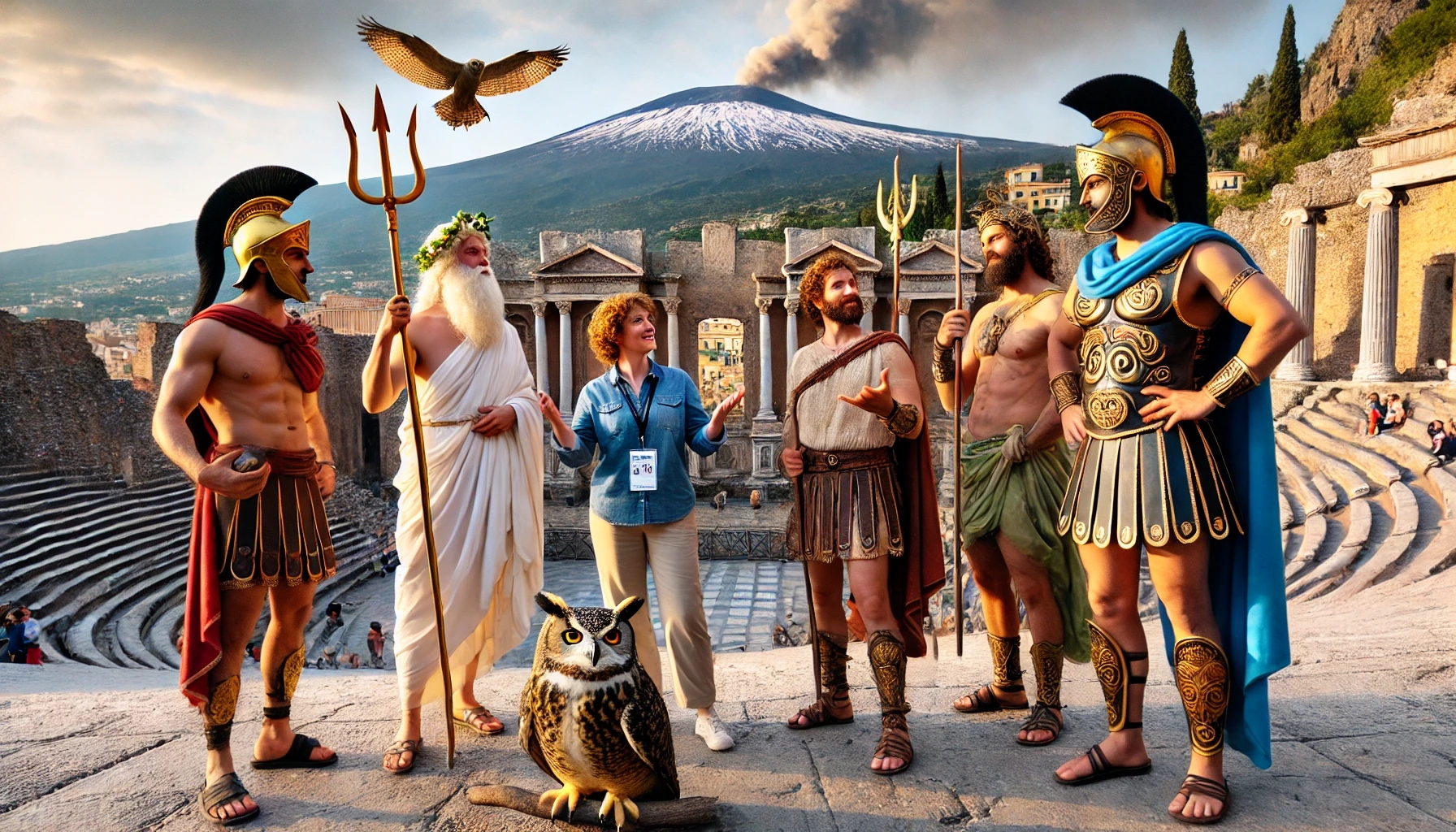
Taormina’s ancient theatre? Still in use. Because when something’s built well and has a view of Mount Etna, you don’t tear it down, you sell opera tickets.
Minarets, Mosaics, and the Norman Knockout
Then came the Arabs in the 9th century with their dazzling domes, intricate tiles, and the habit of building palaces that whispered “paradise.” When the Normans arrived (with swords and questionable table manners), they didn’t raze the Arab influence, they embraced it. The result? The jaw-dropping Arab-Norman architecture of Palermo and Monreale.
Where else in Europe can you find churches with Arabic calligraphy, Byzantine mosaics, and Gothic arches, all in one building? It’s like walking into a medieval version of a United Nations meeting, only better lit.
Culinary Crossroads: When Couscous Meets Cannoli
Spice Routes and Sweet Tooths
Sicilian cuisine is what happens when the Silk Road crashes into the Mediterranean diet. Thanks to centuries of trade and invasion, Sicilian kitchens boast saffron, cinnamon, almonds, raisins, and even sugarcane, all brought by Arab traders who knew a thing or two about flavor.
Enter couscous alla trapanese, a fishy, fragrant masterpiece hailing from Sicily’s west coast. It’s Berber by design, Italian by execution, and best consumed near a beach with a cold glass of zibibbo wine.
Pasta alla Norma and the Arab Influence Nobody Talks About
Even the iconic Pasta alla Norma owes its debt to cultural fusion. Tomatoes from the Americas. Eggplants introduced by the Arabs. Ricotta salata straight out of a shepherd’s dreams. The result? A dish that’s as dramatic as the opera it’s named after and as quintessentially Sicilian as shouting during dinner.
Language, Gestures, and the Eternal “Mah!”
From Arabic to Arancini: A Linguistic Lasagna
Sicilian isn’t just Italian with an accent. It’s a linguistic lasagna, layered with Greek, Arabic, Spanish, and even some Norman French. Words like “zibbibbu” (grape) come straight from Arabic, while “cassata” refers not just to a cake but a centuries-old love affair between sugar and artistry.
And let’s not even start the arancino vs. arancina debate. (Spoiler: it’s never settled.)
Body Language: Sicily’s Second Official Tongue
In Sicily, words are optional. A shrug, an eyebrow raise, or the dramatic “hand scoop of exasperation” speaks volumes. Entire conversations can be had at a distance, over traffic, or with a stranger in line for granita. It’s Shakespeare meets silent film, with espresso.
Modern Sicily: Global, Local, and Deliciously Conflicted
Festivals that Smell like Cardamom and Smoke
Modern Sicily isn’t stuck in the past, it’s just really, really good at remembering it. Festivals blend Catholic processions with pagan echoes, and the scent of incense often mingles with roasted lamb and spicy, date-filled pastries.
Take the Feast of Saint Agatha in Catania: part religious rite, part street party, part endurance test. There are fireworks, tears, chest-beating, and an impressive amount of deep-fried carbs.
Contemporary Art, Ancient Roots
From the graffiti-covered walls of Palermo to sleek modern galleries hidden inside 17th-century palazzos, Sicily pulses with creativity. Artists here paint with history, dance with contradiction, and occasionally shout at clouds (usually for good reason).
The island’s paradox? It’s a place where time feels both frozen and fluid, where ruins and revolution live side by side, and where the past isn’t just respected, it’s invited to dinner.
📍 For curious travelers, artists at heart, and those who believe history should be tasted as well as studied—www.etnaunlimited.com offers cultural experiences shaped by centuries of Mediterranean influence. From Etna volcanic treks to Taormina family tours, the story of Sicily is waiting. Just bring your appetite (and maybe sunscreen).