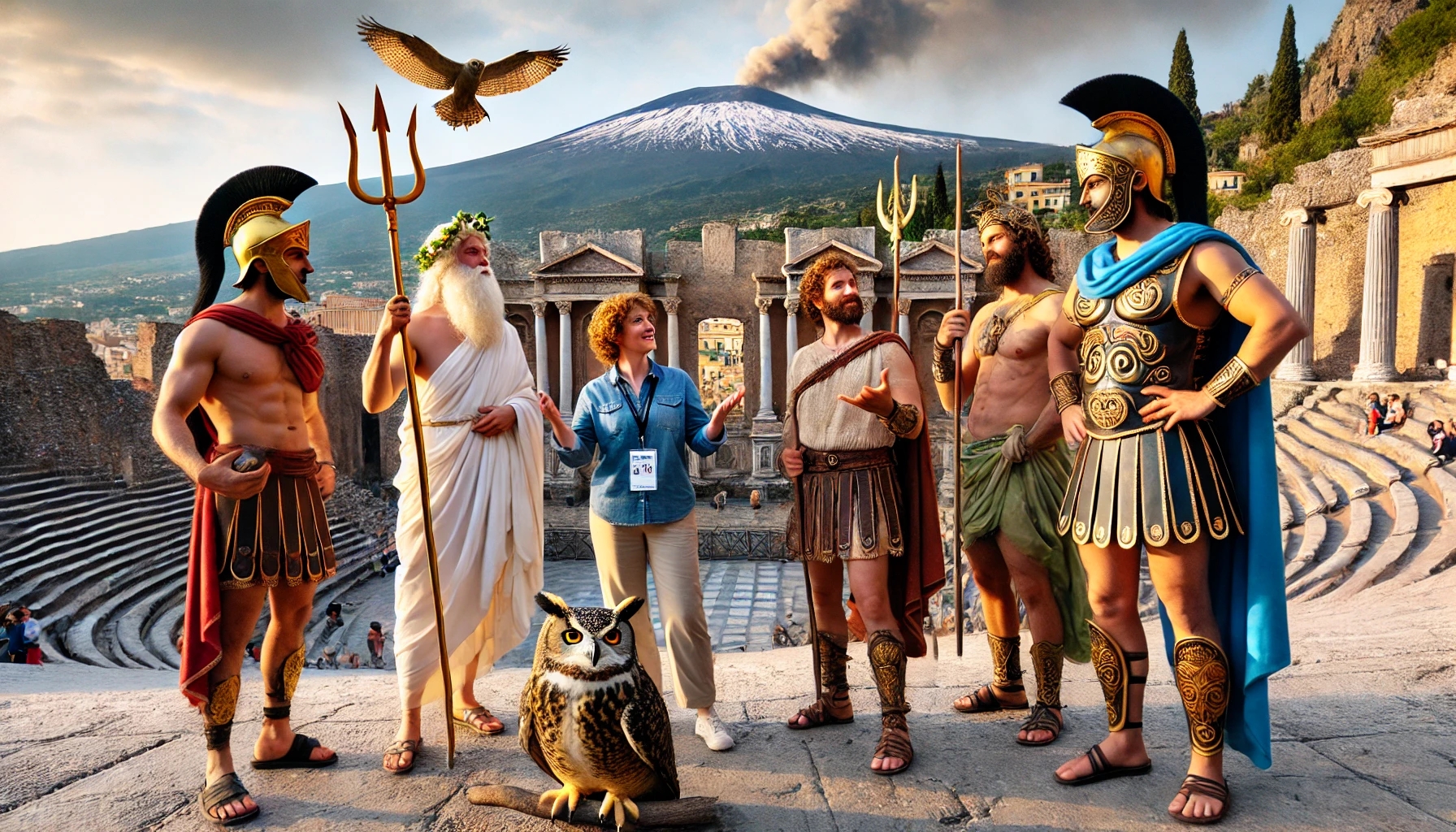
American Explorer’s Guide to Sicily’s Rich Cultural Tapestry
American Explorer’s Guide to Sicily’s Rich Cultural Tapestry
Why should an American traveler venture across the ocean to the sun-kissed shores of Sicily? Simple, because this island is a cultural treasure chest, overflowing with centuries of history, art, food, and adventure. A visit to Sicily is like diving into a living museum, where the walls of every ancient temple, bustling street, and humble village are dripping with stories. For the curious traveler, this island offers a chance to experience a truly unique fusion of cultures that have shaped its identity over millennia.
Sicily's Ancient Roots: A Walk Through Time
The Greek Influence: A Cultural Legacy That Lives On
The ancient Greeks planted the seeds of civilization in Sicily more than 2,500 years ago. Cities like Syracuse and Agrigento were once the crown jewels of the Greek Empire, and their ruins still stand as proud testaments to this golden age. The Valley of the Temples in Agrigento is one of the best-preserved archaeological sites in the world, where towering stone structures seem to whisper stories of philosophers, artists, and warriors. The Greek theater in Syracuse is still used today for performances, bridging the gap between ancient culture and modern creativity.
The Roman Empire: Traces of Power and Glory
When the Romans came to Sicily, they didn’t just conquer the land, they made it their own. From the grand Roman villas that dotted the island to the remnants of ancient aqueducts, the Roman influence is everywhere. The ruins of the Roman amphitheater in Catania stand as a powerful reminder of Rome’s influence, where gladiators once fought for honor and bloodshed. The Romans, ever the innovators, transformed Sicily into a hub of trade, culture, and engineering prowess, and their imprint is still visible across the island.
The Arab Conquest: How Sicily Became a Melting Pot of Cultures
In the 9th century, the Arabs arrived in Sicily, bringing with them a blend of Eastern and Mediterranean influences that would forever change the island. The Arabs introduced advanced agricultural techniques, beautiful gardens, and the cultivation of citrus fruits that are now synonymous with the Sicilian landscape. In Palermo, you can visit the stunning Palatine Chapel, where Arab, Norman, and Byzantine elements are fused into an architectural marvel that symbolizes Sicily’s eclectic past.
Exploring Sicily’s Architectural Wonders
Ancient Ruins and Temples: A Glimpse into the Past
Step into the past with a visit to the archaeological site of Selinunte, one of the largest ancient Greek sites in Europe. The massive columns and crumbling temples, standing tall against the backdrop of the Mediterranean, offer an unforgettable glimpse into the scale and majesty of ancient Greek architecture. Similarly, the ancient theater in Catania, carved into volcanic rock, serves as a reminder of the island’s long history of cultural exchange.
Norman and Baroque Architecture: Sicily's Timeless Beauty
Sicily’s Norman period brought grand castles, cathedrals, and palaces that still dominate the skyline. The Monreale Cathedral, with its golden mosaics and grand architecture, is one of Sicily’s most iconic landmarks. The island also boasts an array of Baroque churches, particularly in cities like Catania and Noto, where you can get lost in the intricate details of these flamboyant structures.
Palermo’s Vibrant Streets: A Blend of Old and New
Palermo is a city that’s both a snapshot of the past and a bustling modern metropolis. Wander through the narrow streets, where markets spill over with colorful produce, aromatic spices, and fresh seafood. The Norman Palace, with its magnificent Arab-inspired architecture, sits in contrast to the modern cafes that line the streets. In Palermo, history and contemporary life are in constant conversation.
Sicily’s Culinary Masterpieces: A Tasty Journey
The Influence of Greek, Arab, and Spanish Cuisine
Sicilian cuisine is a product of centuries of cultural fusion. The ancient Greeks introduced olives and wheat, the Arabs brought rice and citrus, and the Spanish left their mark with sweets and pastries. This blend of flavors is evident in dishes like pasta alla Norma, arancini (fried rice balls), and cannoli (a sweet pastry filled with ricotta cheese). Every bite of Sicilian food tells a story of the island’s rich and varied history.
Must-Try Sicilian Dishes: From Arancini to Cannoli
No visit to Sicily would be complete without indulging in a few iconic dishes. Arancini, golden fried rice balls stuffed with ragù, peas, and cheese, are a beloved street food that you’ll find in nearly every corner of the island. For dessert, cannoli, filled with sweet ricotta cheese and topped with candied fruit or pistachios, is the quintessential Sicilian treat. And don’t forget to wash it all down with a glass of Marsala wine—Sicily’s famous fortified wine.
Wine, Olive Oil, and Sicilian Delicacies: Tasting the Essence of the Island
Sicily is not only known for its food but also for its fine wines and rich olive oil. The island’s vineyards produce some of Italy’s best wines, from the bold Nero d'Avola to the crisp white Grillo. And the olive oil, made from the island’s abundant olive trees, is the gold standard of Mediterranean cuisine. A tour through Sicily’s vineyards and olive groves offers a sensory experience that is as rewarding as it is delicious.
Immersing in Sicilian Traditions and Festivals
Religious Festivals: A Celebration of Faith and History
Sicily’s religious festivals are a dramatic spectacle of faith, tradition, and history. The Feast of St. Agatha in Catania is one of the island’s most important celebrations, attracting thousands of pilgrims who carry statues of the saint through the streets in a powerful display of devotion. These festivals, full of music, processions, and street food, offer a unique window into Sicilian life.
Folk Traditions: The Heartbeat of Sicily’s Villages
Sicilian folk traditions are alive and well in the island’s small villages, where age-old customs are passed down through generations. The lively tarantella dance, often performed at weddings and festivals, is a quintessential part of Sicilian culture. The island’s villages are also home to artisans who craft beautiful ceramics, textiles, and jewelry using methods that have been handed down for centuries.
The Mysterious and Colorful Carnival of Sicily
Every year, Sicily comes alive with the vibrant colors and sounds of Carnival. The city of Acireale hosts one of the island’s most famous carnivals, featuring elaborate floats, masked parades, and plenty of music and dancing. The island’s Carnival celebrations are a reflection of its diverse cultural influences, blending Italian, Spanish, and Arab traditions into a joyous explosion of color and sound.
Adventure and Exploration: Beyond Culture
Hiking the Etna Volcano: Nature Meets Myth
Mount Etna, one of the most active volcanoes in the world, is a must-see for any adventurer. Hiking to the summit of this fiery giant offers a thrilling experience that combines nature’s raw power with stunning views of the surrounding landscape. Etna’s crater, often shrouded in mist, feels like something out of a myth—an ancient, ever-changing force that has shaped the land for millennia.
Exploring the Aeolian Islands: Sicily’s Hidden Paradise
Off the coast of Sicily lies the Aeolian Islands, a chain of volcanic islands that are as beautiful as they are mysterious. These islands, with their crystal-clear waters, rugged landscapes, and dramatic cliffs, are perfect for hiking, swimming, and exploring ancient ruins. Lipari, the largest of the islands, is home to ancient Greek ruins and a charming town with narrow streets and quaint shops.
Off-the-Beaten-Path: Discovering Sicily’s Lesser-Known Gems
While cities like Palermo, Catania, and Syracuse are famous, Sicily is also home to hidden gems that are often overlooked by tourists. The medieval town of Erice, perched high on a mountain, offers panoramic views of the island and the sea. The Valley of the Temples, though well-known, still feels like a secret waiting to be discovered. Exploring these lesser-known spots will give you a deeper, more intimate experience of Sicily’s magic.
Sicily is not just a destination; it’s an invitation to experience a world of culture, history, food, and adventure. Whether you’re exploring ancient ruins, tasting local delicacies, or hiking a volcano, Sicily’s rich cultural tapestry promises an unforgettable journey. So pack your bags and prepare to be swept away by the beauty, complexity, and warmth of this incredible island.
Follow the link to discover all our excursions in Sicily
Etna Unlimited Excursions & Tours