The Eruption of 36 BC: When Mount Etna Terrified Roman Soldiers
The Forgotten Eruption of 36 BC: When Mount Etna Terrified Roman Soldiers
A Volcano, an Army, and a Very Bad Night
When History Meets Fire
Picture this: it’s the summer of 36 BC. You’re a Roman soldier, far from home, stationed in northeastern Sicily. You’ve survived battles, political chaos, and probably some questionable military food.
Then one night, the mountain explodes.
Not metaphorically. Not poetically. Literally.
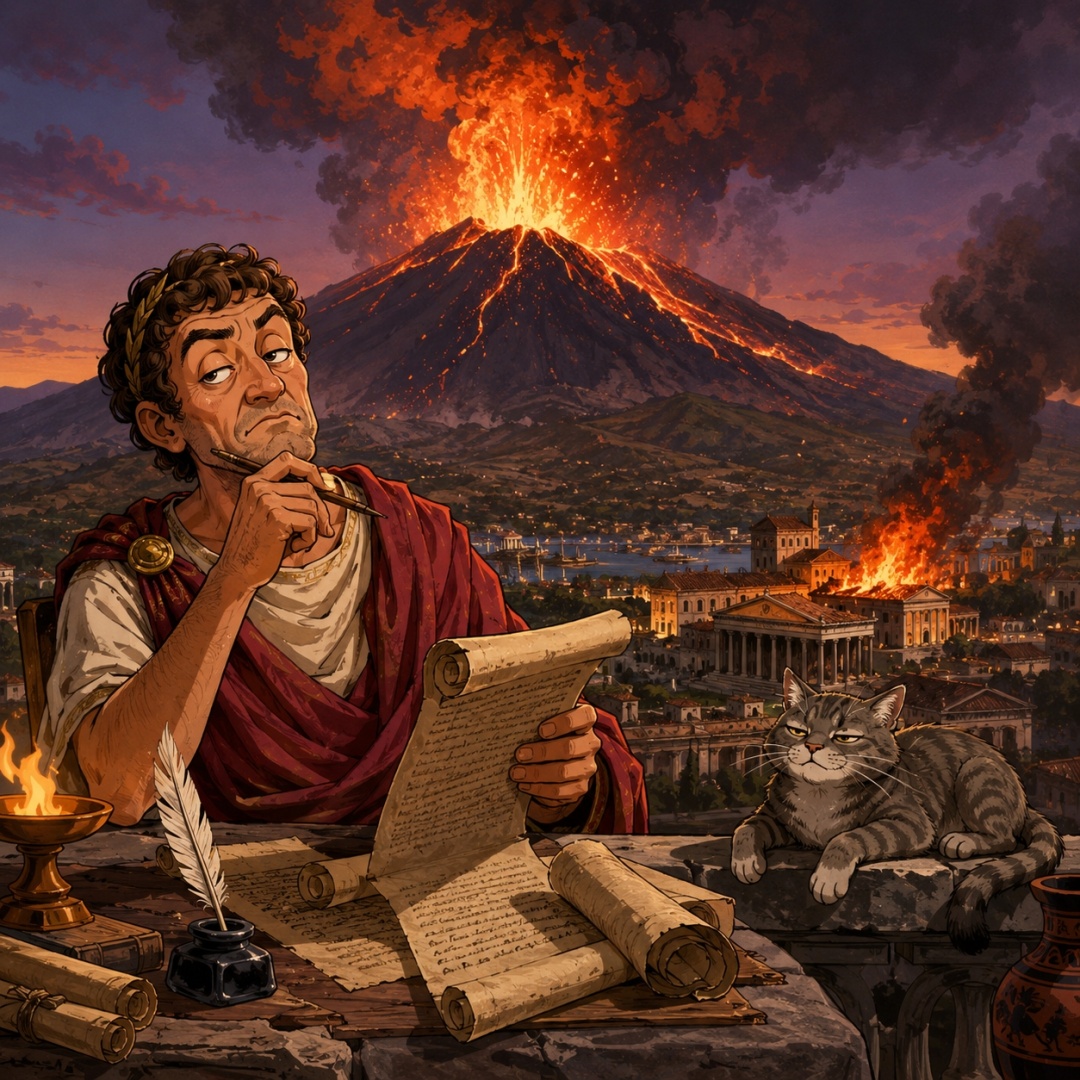
Mount Etna erupts with such force that even troops positioned about 30 km (18 miles) away witness the spectacle. According to ancient sources, the sky lights up with fire, the ground echoes with deep, rolling thunder, and jets of glowing material rise into the darkness.
At that point, your career choices start to feel... debatable.
Dating the Eruption: A Puzzle from Antiquity
Somewhere Between August and September
Pinpointing ancient eruptions is rarely straightforward. No satellites. No seismic stations. Just texts, timing, and a bit of detective work.
Historians place this eruption in the summer of 36 BC, most likely between August 15 and September 3. The dating comes from the historian Appian, who describes events that can be linked to known historical milestones, including naval battles and troop movements.
In other words: when Romans say “something big happened,” and multiple timelines align, you listen.
The Witnesses: Roman Troops Near Montalbano Elicona
Front-Row Seats to Chaos
The soldiers weren’t climbing Etna for fun. They were part of Octavian’s forces, stationed near what is now Montalbano Elicona, roughly 30 kilometers from the volcano.
Far enough to feel safe. Close enough to realize they weren’t.
During the night, they observed:
- Loud, prolonged explosions echoing across the landscape
- Jets of fire lighting up the darkness
- A glow so intense it illuminated the surrounding area
Not exactly a relaxing evening in camp.
Panic in the Camp
According to the accounts, the eruption triggered genuine fear among the troops. Some were startled awake. Others, already familiar with Etna’s reputation, assumed the worst: lava flows heading straight toward them.
Which, to be fair, is not an unreasonable assumption when your night sky suddenly turns into a fireworks show powered by magma.
What Kind of Eruption Was It?
Summit Activity, Big Impact
Based on the descriptions, fire jets, intense glow, visible activity from afar this was likely a summit eruption.
No lateral fissures threatening villages. No slow-moving lava flows creeping through farmland. Instead, a powerful explosive phase concentrated at the top of the volcano.
The kind of eruption that says: “I’m not coming to you. But you will definitely notice me.”
Fire Without Contact
Interestingly, there’s no evidence that the lava actually reached the Roman troops. The fear came from what they saw and heard, not from direct impact.
Which tells you something important about Etna: sometimes, the psychological effect is just as powerful as the physical one.
Etna in the Ancient Imagination
More Than a Volcano
For the Romans (and before them, the Greeks), Etna wasn’t just a mountain. It was a living force.
A forge of the gods. A gateway to the underworld. A place where fire had intention.
So when it erupted, it wasn’t just geology. It was meaning.
Fear, Myth, and Reality
Imagine already believing that a volcano is the workshop of divine blacksmiths… and then watching it erupt in the middle of the night.
Science explains the mechanism. Myth explains the feeling.
And on that night in 36 BC, the feeling was very clear: something powerful had just reminded everyone who was in charge.
What This Eruption Tells Us Today
Etna Has Always Been Active
This wasn’t a rare anomaly. It was part of a long, continuous story.
Etna has been erupting for hundreds of thousands of years, and the 36 BC event is just one chapter in a very long book, written in lava.
Same Volcano, Same Personality
Modern eruptions still produce the same core elements described by ancient observers:
- Explosive activity
- Glowing lava fountains
- Deep, resonating sounds
The difference? Today we bring cameras. Back then, they brought panic.
Walking the Same Ground Today
From Fear to Fascination
What once terrified Roman soldiers now attracts travelers from all over the world.
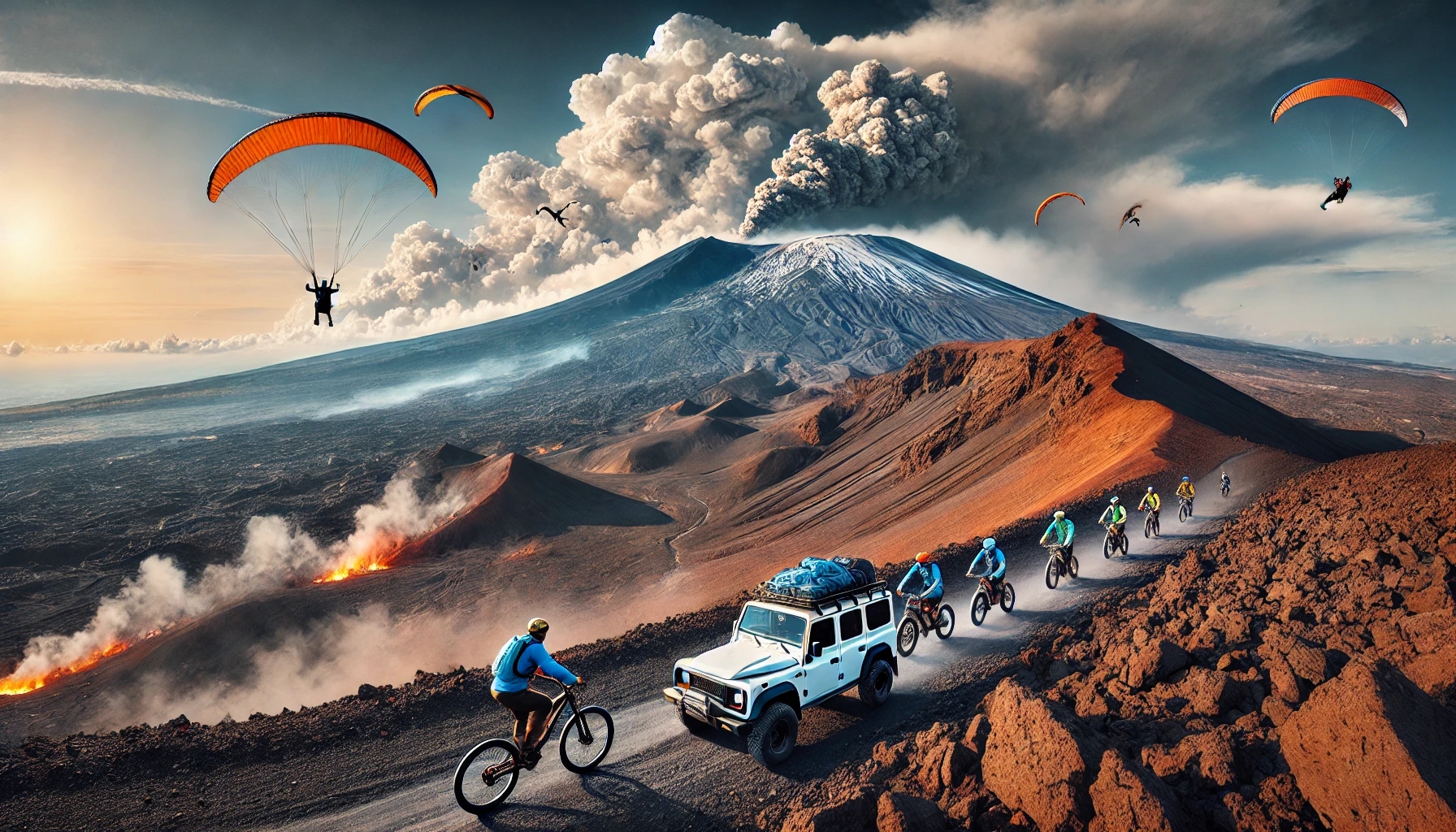
Hiking on Etna today means walking through the same landscapes shaped by events like the eruption of 36 BC. The lava fields, craters, and volcanic terrain are not just scenic, they’re historical.
A Different Kind of Adventure
The volcano hasn’t changed. Our perspective has.
Today, instead of running away, we walk toward it, with guides, knowledge, and a healthy respect for what it can do.
Final Thought: The Night the Empire Looked Up
In 36 BC, Roman soldiers didn’t just witness an eruption. They experienced something that blurred the line between nature and myth.
A night where the sky burned, the ground spoke, and even an empire had to stop and watch.
Because when Etna decides to perform, everyone is in the audience.
🌋 Curious to see Mount Etna up close (without the Roman-level panic)? Explore it safely with www.etnaunlimited.com and discover the stories still written in its lava.