The Forgotten Inferno of 122 BC: When Mount Etna Shook Rome’s Wallet
The Forgotten Inferno of 122 BC: When Mount Etna Shook Rome’s Wallet
🌋 When Ashes Fell, Empires Listened
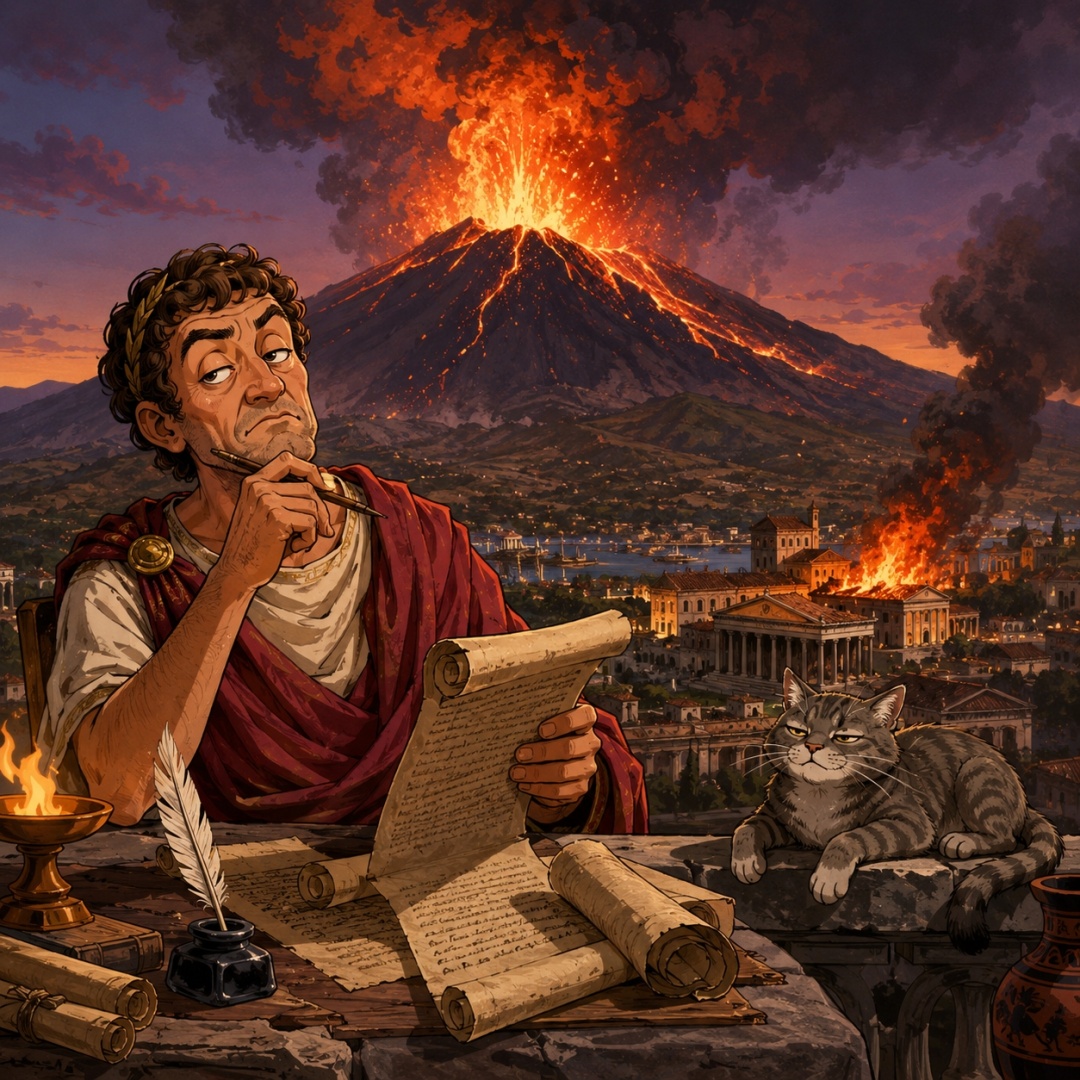
In 122 B.C., Mount Etna didn’t just erupt, it threw an incandescent tantrum that reached the marble halls of Rome. Entire rooftops in Catania collapsed under volcanic debris, crops vanished under ash blankets, and for once, the Roman Senate reached for its toga pocket. What followed was the first recorded tax exemption due to a natural disaster. Yes, lava literally melted bureaucracy.
⏳ A Blast from the Classical Past
A Fiery Timeline Etched in Ash
The eruption of 122 B.C. wasn’t just your average Etna episode, it was a cataclysm. Ancient authors describe incandescent sandstorms, skies eclipsed by ash, and thunderous detonations that scared entire populations into near silence. But we don’t owe this knowledge to one singular Homeric bard, we’ve got a crew of ancient whistleblowers on the case.
From the volcanic verses of Lucretius to the pensive prose of Seneca, and the fire-and-brimstone commentary of Orosius, these accounts painted a vivid (sometimes smoky) picture. They even inspired later retellings from Augustine and Ossequentus, who sprinkled in divine judgment for good measure.
🏛️ Rome’s First “Natural Disaster Relief”
When Politics Meets Pyroclastics
Let’s set the scene: Catania, buried under a thick blanket of fire-breathing detritus. The roofs of temples, villas, and the occasional tavern caved in. The fields were smothered. And what did the Senate do? They gave the city a ten-year tax exemption. A gesture of imperial compassion? Maybe. But scholars like Berti and Soraci argue it was also a calculated move in Rome’s shifting strategy of provincial management.
Enter Lucius Calpurnius Piso Frugi, historian, politician, and likely the source behind Livy’s own recounting. Piso was instrumental in recording this event and possibly influencing the decision to pardon Catania. It was Rome’s first known case of institutional disaster response and it came with legislative lava.
📜 Eyewitness Accounts (Sort of…)
A Chorus of Ancient Voices
Let’s meet the cast of scribes and thinkers who preserved this eruption for us:
-
Lucretius wrote of flames bursting from Etna’s throat, terrifying the countryside.
-
Cicero described darkness so deep that people couldn’t see each other for days.
-
Seneca recounted a sky of dust, suffused with lightning and cosmic confusion.
-
Orosius, centuries later, documented the ten-year tax break as a sign of Rome’s institutional mercy.
-
Pseudo-Hermogenes and Apsines described the aftermath in Catania: fear, fire, and a looming decision to flee.
The sources vary in drama and detail, but they form a mosaic of ancient catastrophe journalism.
🧯 Cinders, Senators, and the Birth of Disaster Management
Bureaucracy in the Time of Eruption
The Catania case is Rome’s first historically attested example of governmental aid in response to a natural disaster. Before FEMA, there was the Senate. This wasn't just about lava, it was about legacy. The relief effort became a precedent and, later, a propaganda tool. Augustine himself cited the tax break as an example of Roman virtue (or guilt, depending on your theological lens).
Meanwhile, archaeological analysis by modern scholars (Coltelli et al., 1998) confirmed volcanic layers consistent with the eruption, adding scientific credibility to the ancient narratives. That ash wasn’t metaphorical.
🔚 Conclusion: Lava Flows and Long Shadows
The Etna eruption of 122 B.C. wasn’t just a fiery footnote in Sicilian history, it was a pivotal moment where nature forced politics to act. It gave birth to a legacy of institutional response that echoes eerily through modern times. In a world where disaster headlines flicker daily, it’s comforting (and a little terrifying) to remember that even the Roman Empire had to pause and pay attention to the Earth’s fury.
Discover all our tour offers in Sicily and on the Etna volcano
Etna Unlimited Tours and Excursions