When the Volcano Feeds the Vine: Posidonius and the Fertile Fury of Mount Etna
When the Volcano Feeds the Vine: Posidonius and the Fertile Fury of Mount Etna
The Ancient Echoes of a Fiery Landscape
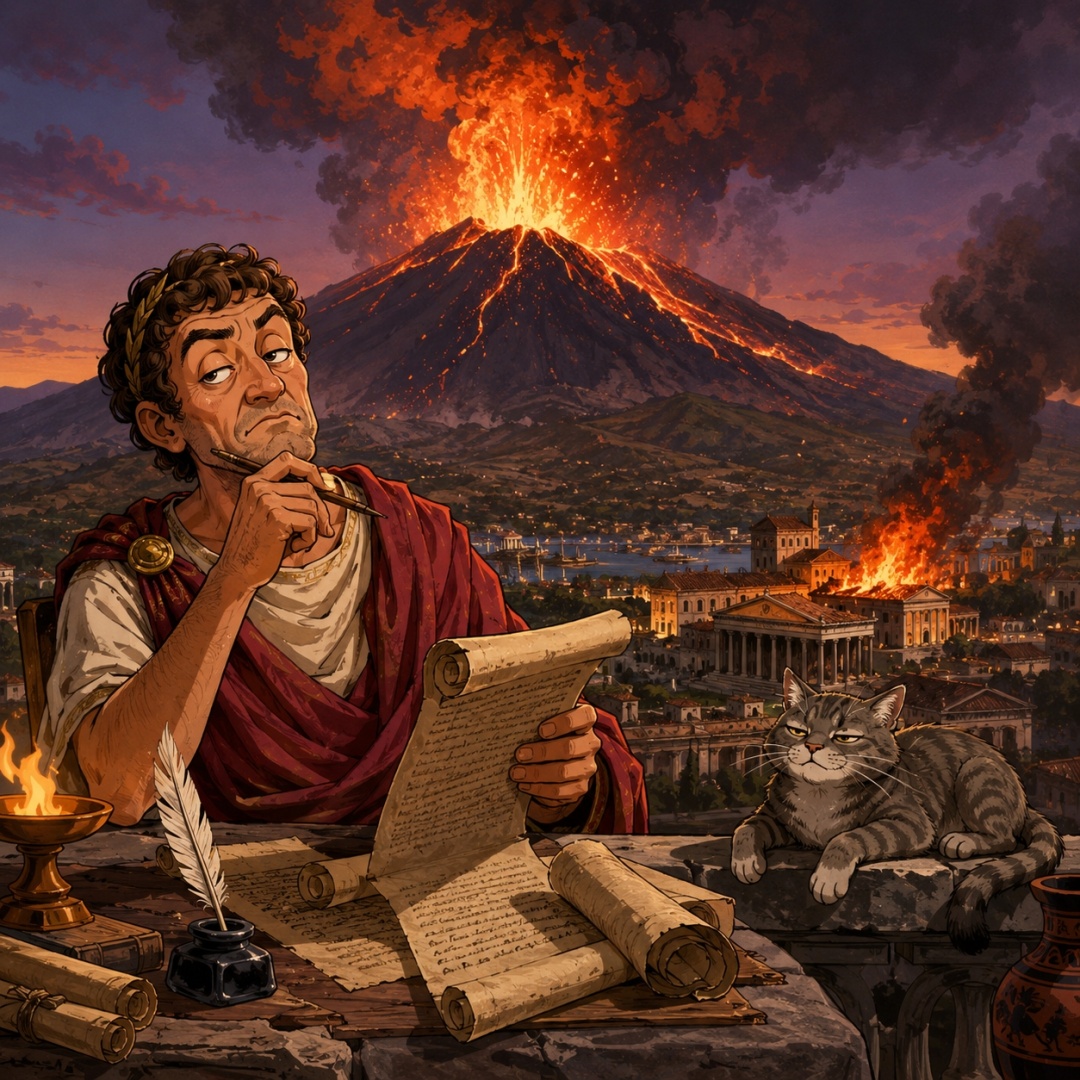
In the first half of the 1st century BCE, the Greek philosopher and polymath Posidonius observed a paradoxical reality on the slopes of Mount Etna. His reflection, preserved thanks to the geographer Strabo, paints a vivid picture of a land where devastation and fertility waltz in a cyclical rhythm. According to Posidonius, Etna’s eruptions were far from mere natural disasters. They were events that reshaped the agricultural fortune of Catania’s territory, transforming barren plains into lush vineyards through the elemental power of volcanic ash.
Ashes to Grapes: How Destruction Becomes Abundance
Posidonius explains that, during an eruption, the Etnean countryside is blanketed in thick layers of ash, initially rendering the land unfit for cultivation. Yet, with the passage of time, this very ash bestows a surprising gift: fertility. Vines flourish where other plants falter, producing grapes of such quality that wine becomes a hallmark of the region.
It’s no coincidence that volcanic soils across the globe, whether in Sicily, Santorini, or the slopes of Vesuvius, are celebrated for their contribution to viticulture. The minerals in the ash create an ideal environment for grapevines: well-drained, nutrient-rich, and perfectly stressed. The Etna terroir, it seems, has always known how to seduce the vine.
Sheep That Feast Too Well: A Peculiar Problem
But Posidonius didn’t stop at viticulture. His keen eye captured another curious phenomenon: sheep grazing on the pastures enriched by Etna’s ash grew so fat that they risked suffocation. The remedy? Periodic bloodletting from their ears. It sounds medieval (because it is), yet it reflects how deeply ancient people observed and adapted to the rhythm of their volatile environment.
He even notes that this bizarre veterinary practice wasn’t unique to Sicily, it also occurred on the mythical island of Erythia, suggesting perhaps a broader, Stoic appreciation for interconnected natural phenomena.
When Lava Hardens and Hope Gets Buried
Yet not all gifts of the volcano come with a golden lining. Posidonius recognizes that lava is a far crueler master than ash. When molten rock cools and hardens, it buries fertile soil beneath layers of black stone. To reclaim such land is no small task, it requires breaking the crust of solidified lava "as if in a quarry," he says. A powerful metaphor, and a reminder that volcanic landscapes offer wealth only to those willing to struggle for it.
This notion of lava as both obstacle and opportunity speaks to the broader Stoic philosophy of embracing hardship as a path to virtue. The land of Etna, much like life, is both punishing and generous.
The Alchemy of Ashes: From Molten Mud to Millstones
In a poetic turn, Posidonius describes how the lava, initially a black, flowing mud, solidifies into a rock as dark and heavy as its liquid state, ideal for grinding grain. From the ash of burning stone emerges not just fertile land, but tools for nourishment. He even compares the ashes of Etna to those of wood, suggesting a parallel between the volcanic residue and the ash used to fertilize rue, a pungent herb. If ash from logs can nourish plants, he reasons, so too might the ash of Etna enrich the vine.
Etna: A Volcano in Balance
The passage from Posidonius is more than a geological observation, it is a reflection on equilibrium. Etna takes and gives, scars and heals. Its eruptions are not solely apocalyptic events, but vital processes that shape both the ecology and the economy of the region.
Today, the volcanic wines of Etna enjoy international acclaim, and shepherds still graze flocks across its flanks. The legacy of this ancient philosopher endures not only in the texts of Strabo but also in the landscape itself, an ever-changing testament to nature’s strange, sublime generosity.
Discover all our tour offers in Sicily and on the Etna volcano
Etna Unlimited Tours and Excursions